

How to Get Your Horse Ready for Fly Season (Before the Flies Show Up)
If you're in most parts of the country right now, you're probably still pulling on an extra layer to get to the barn. But here's the thing — fly season doesn't politely announce itself. One warm week in April and suddenly your horse is stomping, swishing, and absolutely miserable while you're still searching the tack room for last year's fly mask.
The riders who have the easiest summers are the ones who prep in March. Here's how to do it.
1. Do a Gear Audit Now, Not in April
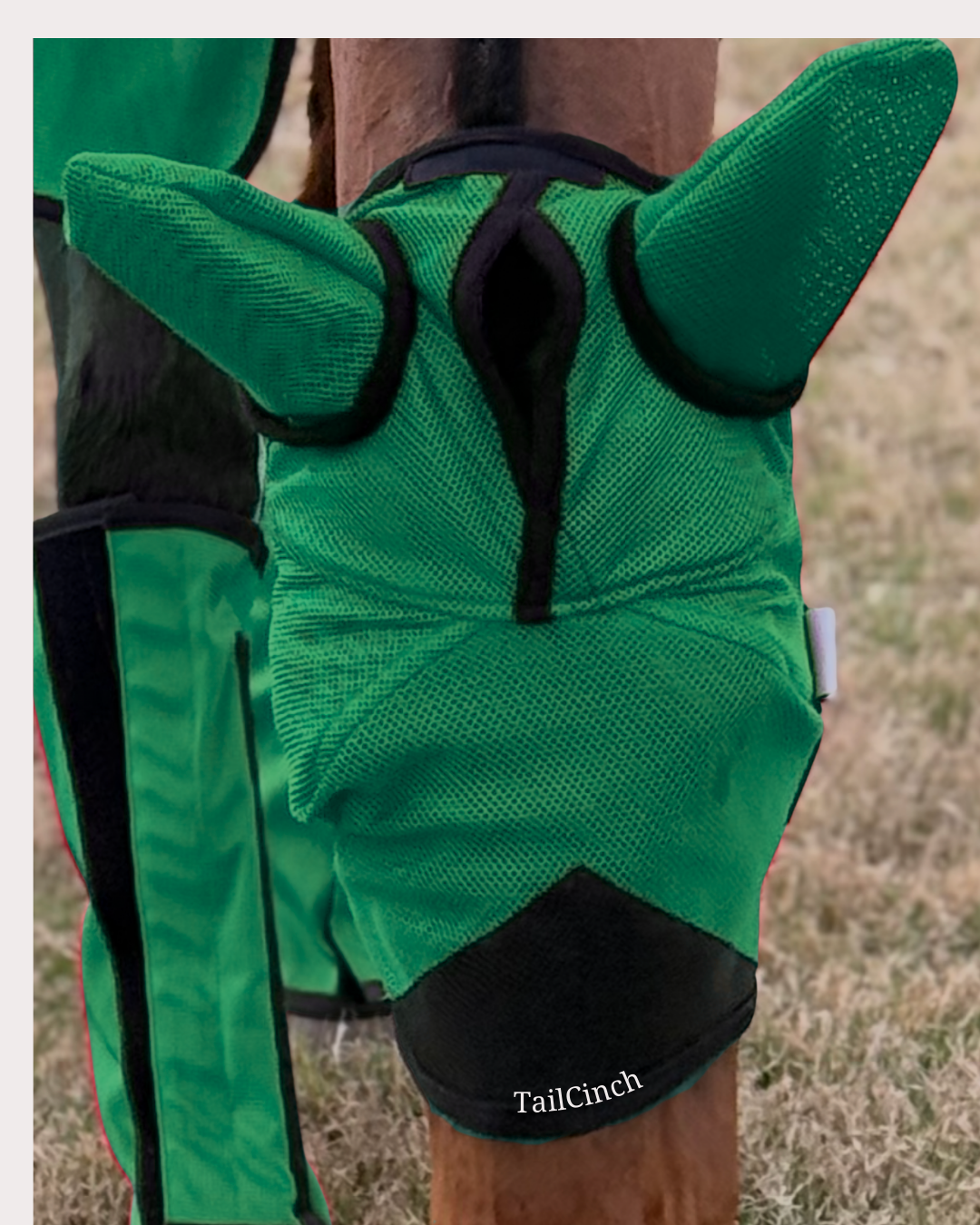
Pull out everything fly-related you own and be honest with yourself. A fly mask that barely stayed on last August will definitely not stay on this August. Check for:
- Fly masks with torn mesh, broken velcro, or stretched-out elastic that no longer fits snugly
- Fly sheets with ripped panels, missing leg straps, or busted hardware
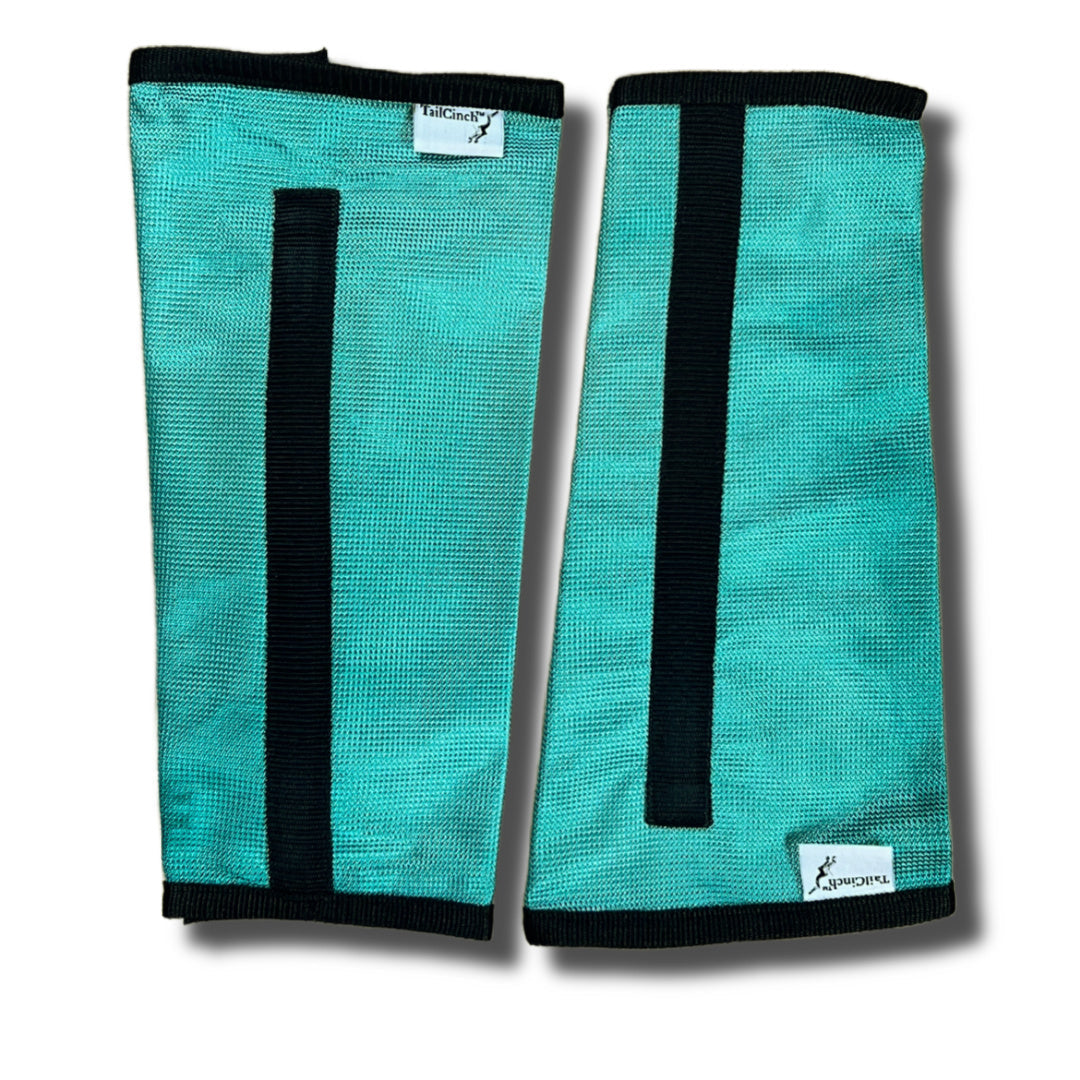
- Fly boots that are worn thin or have lost their grip
If something is marginal, replace it now. Nothing is worse than realizing your gear is destroyed on the first hot day of the year when your horse needs it most.
2. Think Head-to-Toe Protection
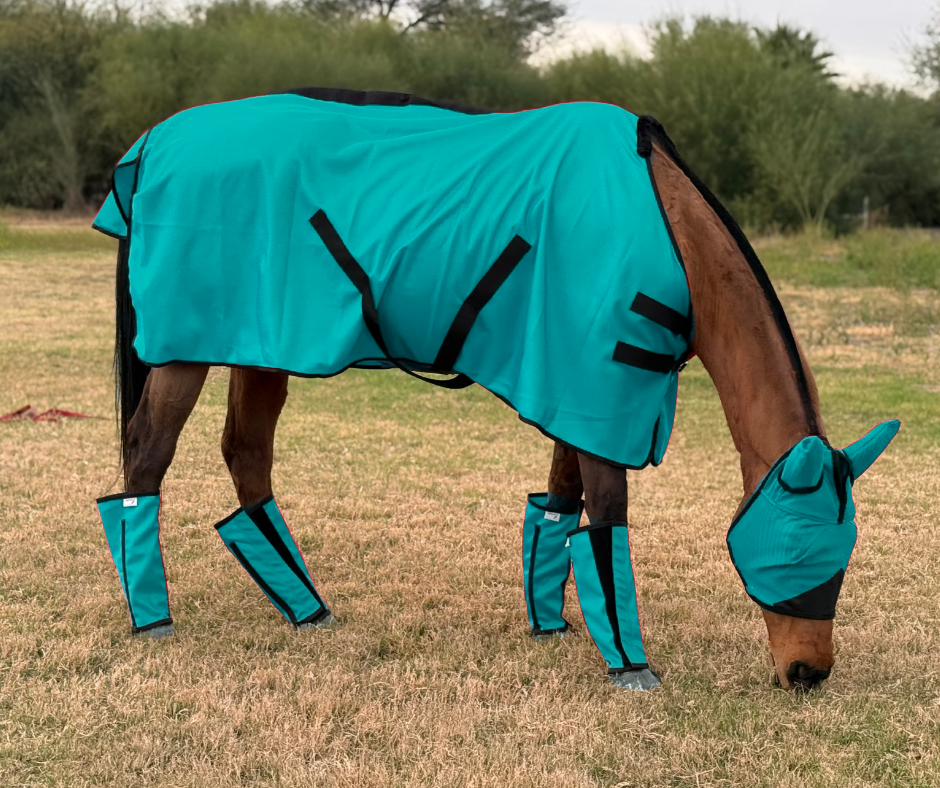
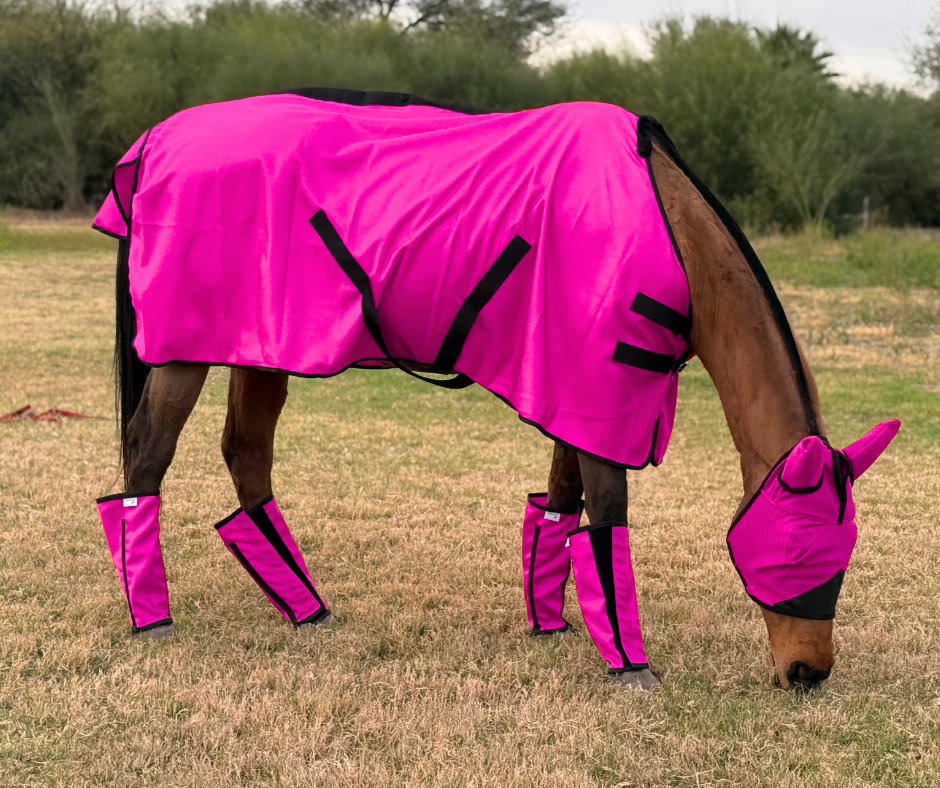
A lot of horse owners start with a fly mask and call it a day — but flies don't limit themselves to your horse's face. For horses that are particularly sensitive or spending long hours in turnout, consider full coverage:
- Face & eyes — a well-fitting fly mask with good visibility and a secure fit is non-negotiable
- Body — a lightweight fly sheet protects the barrel and back from biting insects without overheating your horse
- Legs — the lower legs are constantly exposed; fly boots give relief to horses that stomp themselves sore
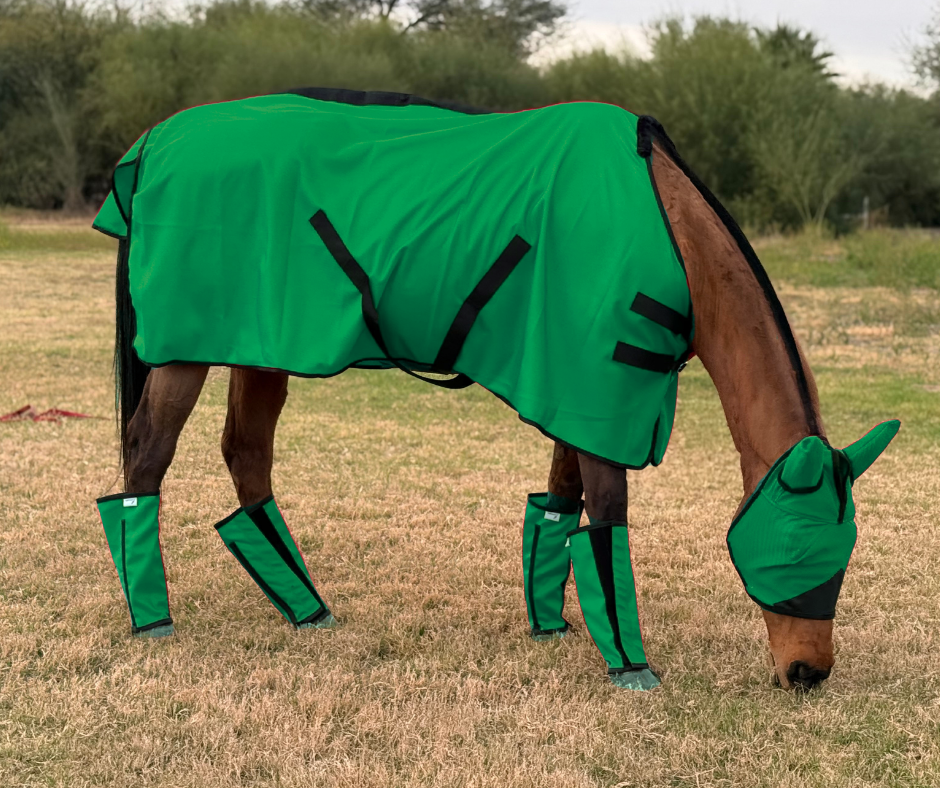
The sweet spot for most horses is a combination of mask, sheet and boots during peak fly hours — typically dawn and dusk when insects are most active.
3. Set Up Your Fly Control System Early
Gear is only part of the equation. A solid fly management strategy also includes what you do in and around the barn.
In the barn:
- Clean stalls and remove manure daily — flies breed in organic material and a clean barn dramatically reduces fly populations
- Use fans in stalls — flies are weak fliers and even modest airflow makes a stall less hospitable to them
- Position fly traps away from the barn to draw flies out rather than in
On the horse:
- Apply fly spray consistently, especially before turnout during peak season
- Pay extra attention to the belly, legs and face — areas flies target most
- Some horses do better with a physical barrier than spray alone, especially sensitive-skinned horses who react badly to topical products
Spring Fly Prep Checklist
- Audit all fly gear — mask, sheet, boots
- Replace anything worn, torn or stretched out
- Order new gear before the April rush
- Deep clean stalls and remove winter manure buildup
- Install or check barn fans
- Stock up on fly spray
- Set up fly traps away from barn entrance
- Check fit of all gear on your horse now
4. Check Fit Before the Season Starts
A fly mask or sheet that doesn't fit properly is almost worse than no protection at all. A poorly fitting mask can rub, obstruct vision, or come off entirely — leaving your horse unprotected.
When fitting a fly mask, make sure:
- You can fit two fingers under the jaw strap
- The eye areas have enough structure to keep mesh away from the eyeball
- The ears are fully covered if your horse is ear-sensitive
- There's no excess fabric that can catch on fencing or feeders
5. Think About What You're Replacing
This is the part most people don't think about — but it's worth pausing on. A lot of conventional fly products are single-use or wear out after one season, ending up in a landfill. As horse owners we go through a surprising amount of gear every year.
When you're replacing fly equipment this spring, look for products built to actually last — durable hardware, quality mesh, reinforced stress points. Gear that makes it through multiple seasons is better for your wallet and better for the planet. The most sustainable product is always the one you don't have to throw away.
The most sustainable product is always the one you don't have to throw away.
The Bottom Line
Fly season is coming whether you're ready or not. A little preparation in March — auditing your gear, replacing what's worn out, setting up your fly control routine — means a much more comfortable summer for your horse and a lot less scrambling for you.
Your horse puts up with a lot. Good fly protection is one of the easiest things you can do to make their life better from May through September.
Ready to gear up for fly season?
Shop the ByeBye Fly collection — mask, sheet & boots in matching colors. Pre-order now and save 15%.
Shop ByeBye Fly →

